
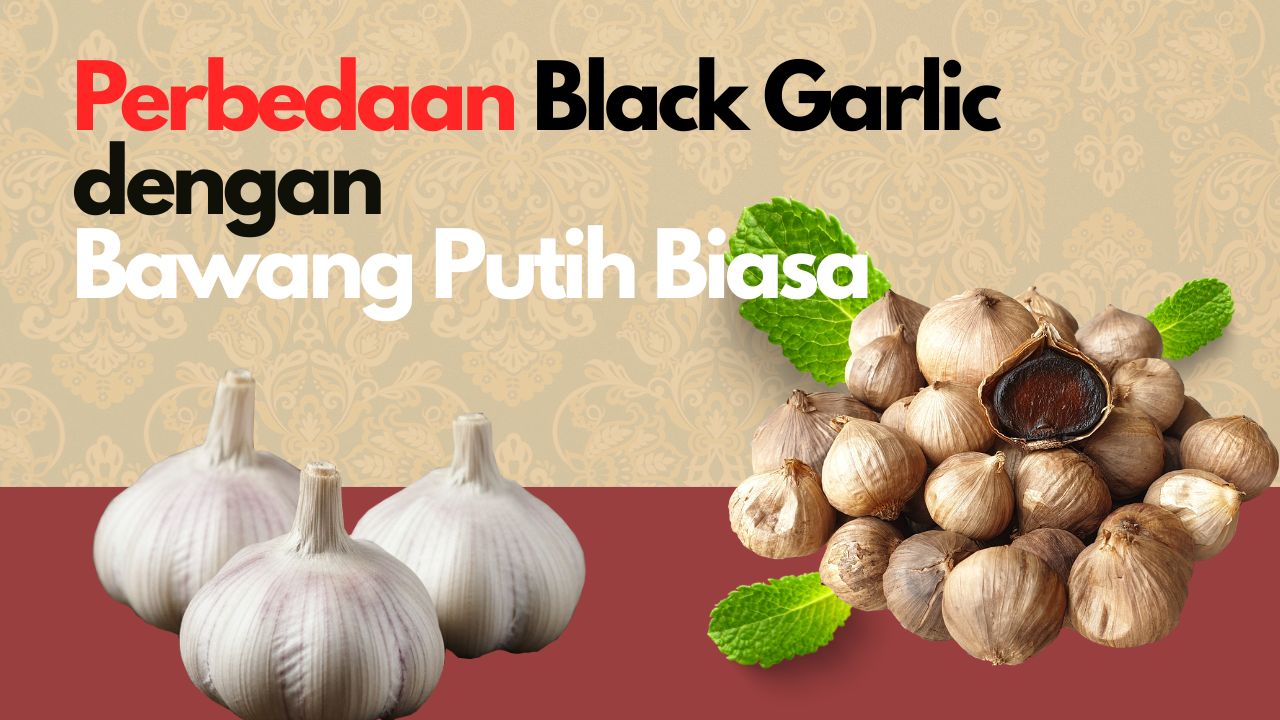
The Difference Between Black Garlic and Regular Garlic
The Difference Between Black Garlic and Regular Garlic: Taste, Nutrition, and Uses
In recent years, black garlic Black garlic, or black garlic, is increasingly popular among lovers of healthy food and herbal products. This product is highly sought after for its unique flavor, soft texture, and said to contain higher nutritional content than regular garlic. Not only used as a food ingredient, black garlic is also often consumed as a suplemen alami to maintain health. On the other hand, bawang putih Garlic has long been known as a staple kitchen ingredient and a traditional remedy for boosting the immune system. Nearly every dish uses garlic as a basic spice, and its health benefits have been recognized for generations across cultures.
In this article, readers will understand the key differences between black garlic and regular garlic, from taste and nutritional content to uses. By understanding their characteristics, readers can choose the type of garlic that best suits their needs, both for culinary and health purposes.
What is Regular Garlic and Black Garlic
Regular Garlic
Common garlic is a fresh bulb that has long been used as a basic seasoning in various dishes. Its distinctive characteristic is its sharp, slightly spicy flavor and strong, pungent aroma. Besides its use as a food flavoring, garlic is also known in traditional medicine, believed to help maintain the immune system and overall health. Its uses are widespread, from home cooking to the food industry.
Black Garlic
Black garlic is garlic that has undergone a fermentation process at controlled temperature and humidity for several weeks. This process turns the garlic black, makes its texture softer and chewier, and its flavor becomes sweet and savory with a lighter aroma. Thanks to this process, it is often consumed directly as a health food or used as an additional ingredient in premium dishes due to its unique flavor.
Differences in Taste and Aroma
The most easily recognizable difference between regular garlic and black garlic lies in their taste and aroma. Fresh garlic has a spicy, sharp, and quite pungent taste when consumed raw. Its aroma is also strong and distinctive, so it is often used as a base seasoning to give a bold flavor to dishes. In contrast, it has a much milder taste. After going through the fermentation process, the taste changes to a sweet and savory with a hint of acidity, resembling caramel or dried fruit. Its soft texture also makes it easy to eat directly without a burning sensation in the mouth. The aroma is not too strong, making it more comfortable to consume, even for those who are sensitive to the smell of raw garlic.
These differences in taste and aroma influence their culinary uses. Regular garlic is more often used as a base spice for sautéing, frying, or enhancing the flavor of dishes. Meanwhile, it is widely used as a topping, sauce, premium dish ingredient, or consumed directly as a health food due to its milder, sweeter flavor.
Differences in Nutrient Content
Nutritionally, black garlic and regular garlic both have health benefits, but their processing methods slightly differ in the active compounds they contain. This difference is primarily due to the fermentation process black garlic undergoes.
Antioxidant Boost in Black Garlic
During the fermentation process, which involves controlled temperature and humidity, the antioxidant content in garlic tends to increase. Antioxidants help the body fight free radicals, which can trigger premature aging and various health problems. This is one reason black garlic is often associated with health food products.
Higher S-allyl-cysteine Content
Black garlic is known to contain active compounds like S-allyl-cysteine (SAC), which are more stable and easily absorbed by the body. This compound plays a role in maintaining heart health, supporting the immune system, and supporting the protection of body cells from oxidative damage.
Regular Garlic is Rich in Allicin
Meanwhile, fresh garlic contains high levels of allicin, a compound formed when garlic is cut or crushed. Allicin is known to have antibacterial properties and helps support the immune system. Although some of the allicin is converted during the fermentation process to black garlic, regular garlic remains a good source of allicin for daily consumption.
Comparison of Health Benefits
In general, both have complementary benefits. Regular garlic is widely used to support health and as a daily cooking spice. Meanwhile, black garlic offers a higher antioxidant content, a milder flavor, and is easier to consume directly. The choice between the two can be tailored to your needs, whether for culinary or health purposes.

Differences in Use in Consumption
Regular garlic and black garlic have different uses in everyday consumption. These differences are influenced by their taste, texture, and processing methods.
Regular Garlic
Garlic is commonly known as a basic cooking spice, used almost universally in a variety of dishes. Its strong flavor and aroma make it suitable for sautéing, boiling, frying, or ground as a spice blend. Garlic can be used raw or cooked, depending on the recipe's requirements. Because of its role as a primary flavoring, its use is prevalent in everyday cooking, both in households and in the food industry.
Black Garlic
Meanwhile, black garlic has a wider range of uses. With its soft texture and sweet, savory flavor, black garlic can be consumed directly without cooking. Many people take it as a daily health supplement because it's gentler on the stomach and doesn't have a strong aroma. In the modern culinary world, black garlic is also used as a premium ingredient in sauces, mixed dishes, or restaurant menus that emphasize unique flavors. Furthermore, this product has significant economic value and is often marketed as a valuable health product, both for direct consumption and processed forms.
Texture and Storage Method
Besides taste and nutrition, other differences between regular garlic and black garlic can be seen in their texture and storage methods. These two types of garlic have distinct characteristics, requiring proper handling to maintain their quality.
Texture
Regular garlic has a hard, dry texture with a thin outer skin. This texture allows it to be stored for quite a long time as long as storage conditions are kept dry. In contrast, black garlic has a soft, chewy, and slightly sticky texture due to its fermentation process. The flesh is easy to press and is not as tough as fresh garlic. This texture makes black garlic convenient to eat fresh, but it also requires more care when storing it.
Saving Power
Regular garlic can generally be stored for quite a long time, even several weeks to months, as long as it's kept in a dry place with good air circulation. Black garlic also has a good shelf life, especially if stored in a closed container and away from moisture. However, because its texture is softer, its quality can deteriorate if exposed to open air for too long.
Proper Storage Method
Regular garlic should be stored in a dry, cool, and well-ventilated place, such as a basket or open container. Avoid excessive humidity to prevent mold growth. Meanwhile, black garlic is best stored in a tightly closed container in a cool, dry place. For longer storage, black garlic can be stored in the refrigerator to maintain its texture and flavor. With proper storage, both types of garlic can be used for a longer period without losing their quality.
Which one is better?
Regular garlic and black garlic are not essentially interchangeable, but rather complementary. Both are derived from the same ingredient, but undergo different processes, resulting in distinct flavors, nutritional content, and uses. The choice between the two should be tailored to your needs. For everyday cooking and as a basic seasoning, regular garlic remains the primary choice due to its strong flavor and ease of preparation. Meanwhile, for those seeking a convenient, healthy alternative or a premium culinary ingredient with a unique flavor, combining the two in your diet is also a good option. Regular garlic can be used as a daily seasoning, while black garlic can be consumed directly or as a complement to certain dishes. This way, you can achieve the benefits and advantages of each type of garlic in a balanced way, according to your needs.
Conclusion
The main differences between regular garlic and black garlic lie in their processing, flavor, nutritional content, and consumption. Regular garlic is used fresh, with its sharp flavor and important role as a base seasoning, while black garlic is fermented, resulting in a sweeter flavor, softer texture, and increased antioxidant content. It can be viewed as a fermented product with added value, both in terms of nutrition, convenience, and economic value. This product is widely used as a natural supplement and a premium culinary ingredient. Nevertheless, regular garlic still plays an important role in everyday cooking and is irreplaceable as a base seasoning for various dishes. Both can be used side by side as needed, so that both culinary and health benefits can be optimally obtained.

 English
  Indonesian
  Chinese